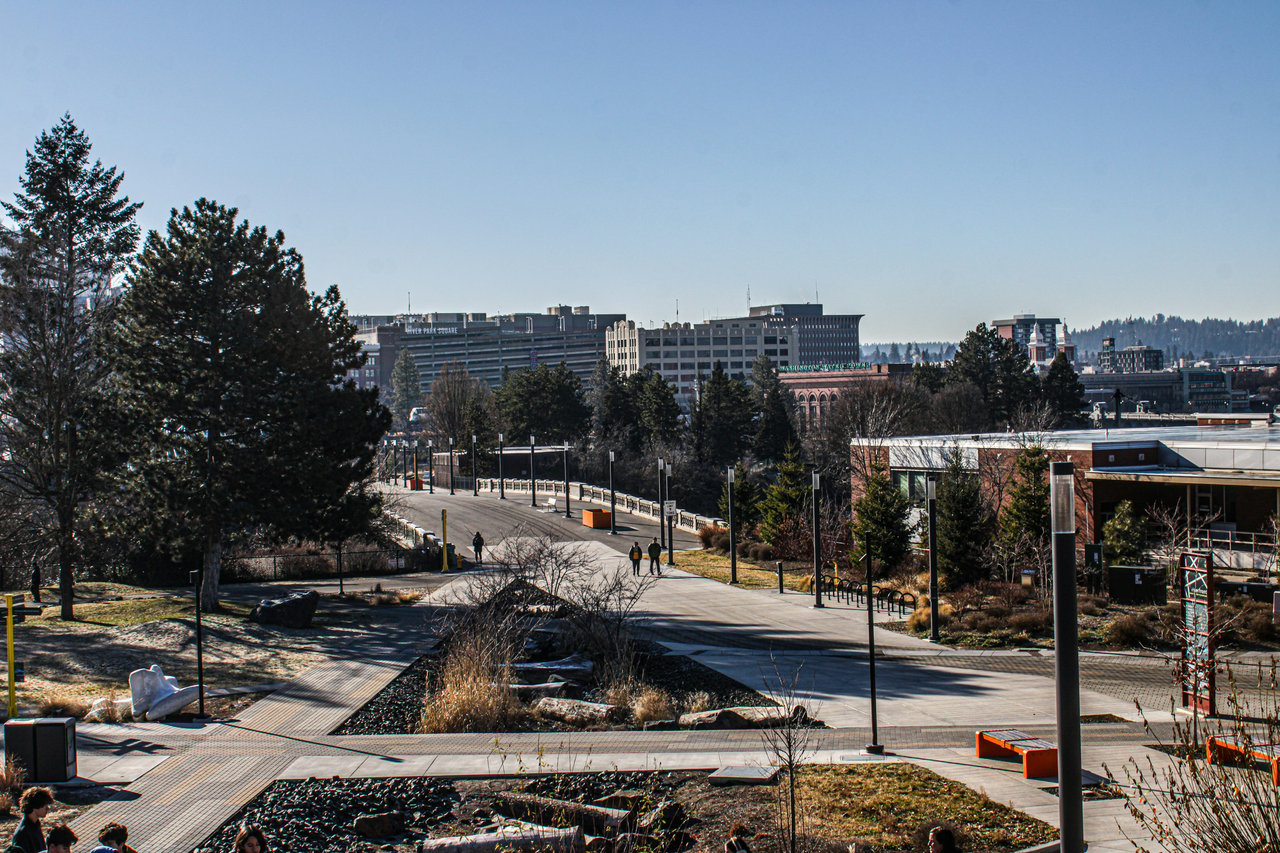
Spokane is in the middle of a quiet but significant infrastructure push.
Road improvements. Corridor upgrades. Ongoing resurfacing across the city.
It may not feel dramatic day to day.
But these changes are happening at the same time Spokane is growing.
And that is what makes this moment different.
Because infrastructure is no longer just maintenance.
It is being used to support where the city is going next.
🧭 What Is Actually Being Updated Right Now
This is not just general growth, it is targeted
Spokane has adopted a Six Year Comprehensive Street Program (2025 to 2030), mapping out where major improvements will happen.
Some of the current focus includes:
• 3rd Avenue, Washington, and Stevens corridor improvements
• Citywide grind and overlay projects improving road quality now
• Ongoing upgrades to support an estimated 4,050 additional homes needed by 2028
Even with a reported $13 million budget deficit, infrastructure remains a priority.
That tells you something.
The city is planning for growth, not reacting to it.
🚗 What Better Roads Actually Change
This shows up in daily life first, not pricing
Buyers are not just thinking about distance.
They are asking:
• Does the commute feel predictable or stressful?
• Are daily routes simple or constantly congested?
• Is the area easy to get in and out of?
When infrastructure improves those answers, a location becomes easier to live in.
And that is where demand begins to shift.
📊 The Value Impact Is Real, But It Is Not Instant
Infrastructure works in phases
There is a measurable connection between infrastructure and home values.
Research shows:
• Improved accessibility can drive 15% to 17% higher appreciation
• Values may dip slightly during construction phases
• The biggest value lift often happens after projects are announced or completed
That explains why some areas feel like they “suddenly” gained value.
The groundwork was already happening.
📍 Where You Will See This First
Not every area benefits the same way
Spokane already behaves like a micro market.
Infrastructure amplifies that.
Some areas will:
• Gain attention earlier because access improves
• See stronger buyer interest before prices adjust
• Become more competitive as daily convenience increases
Others may see little change at all.
This is not a citywide shift.
It is a location specific one.
🏗 Growth and Development Are Following the Same Pattern
Infrastructure is shaping where people go next
Projects like MeadWorks, a large scale master planned development, show how infrastructure drives value.
Homes are already selling from the mid $400Ks largely based on:
• Planned road networks
• Walkability
• Future connectivity
In other words, buyers are not just buying what exists.
They are buying into what is being built.
🧠 What Most People Miss About Infrastructure
It changes perception before it changes price
Buyers rarely track city plans.
They feel outcomes.
A drive that used to feel long now feels manageable.
A neighborhood that felt disconnected now feels accessible.
That shift happens quietly.
But it changes where buyers are willing to look.
And that is what moves demand.
🤝 How Zech and Emiley Help You Read These Shifts
Because timing matters more than awareness
Knowing a project exists is not enough.
What matters is understanding:
• Where improvements are actually changing behavior
• Which areas are gaining momentum early
• When value is still ahead of the market versus already priced in
Zech and Emiley help clients connect those dots.
So decisions are based on where the market is going, not just where it is today.
🏡 What This Means for You
This shows up differently depending on your position
For buyers:
You may have access to areas that previously felt out of reach or inconvenient.
For sellers:
Improved access can change how your home compares to others nearby.
For both:
The home itself has not changed.
But how it fits into daily life has.
🏡 Spokane Moving Forward
Infrastructure is setting the direction
Better roads do not guarantee higher home values.
But they create the conditions that support them.
Improved access
Stronger demand
More consistent interest
And over time, those shifts begin to show up in pricing.