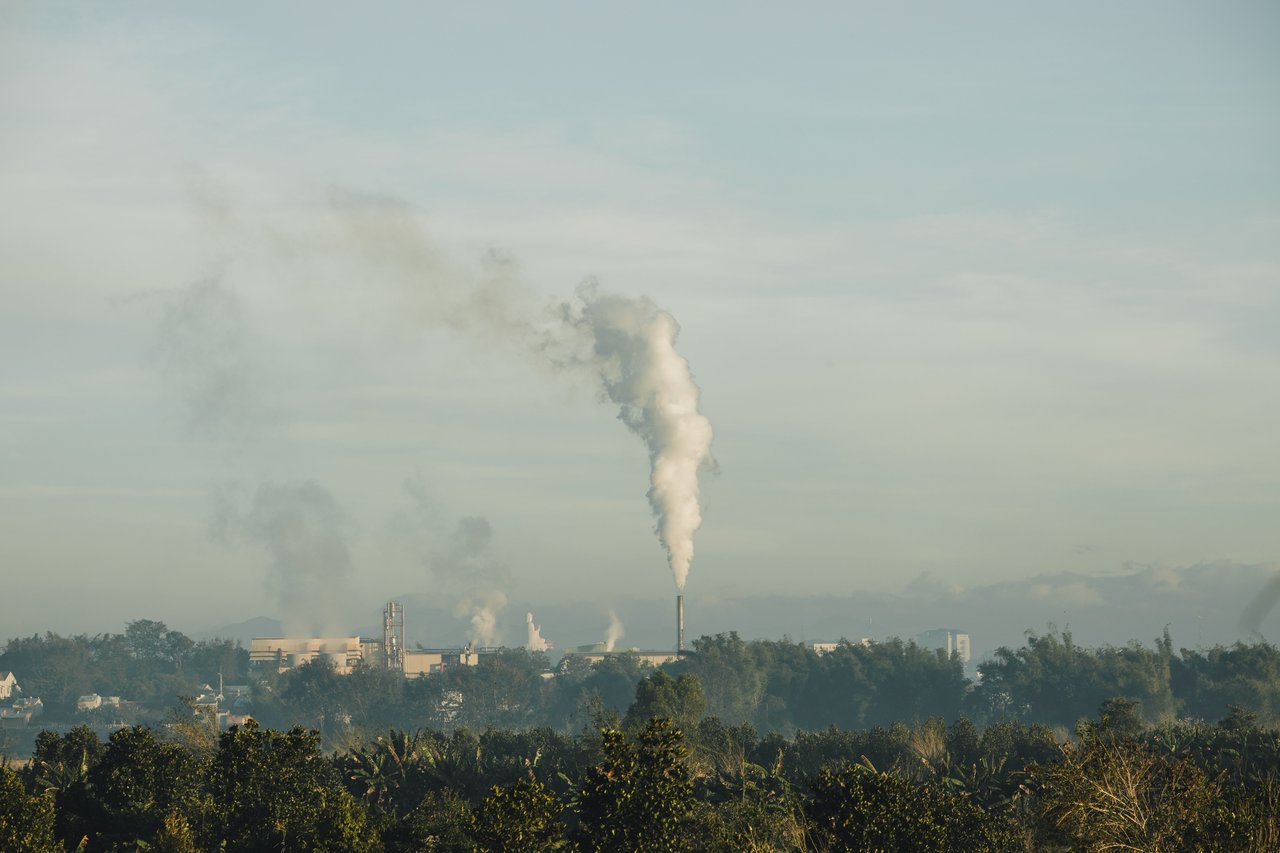
Spokane County is currently under an Air Quality Alert due to wildfire smoke, and conditions can shift quickly depending on wind and fire activity. Even if you weren't directly affected by the fires, smoke can still reach unhealthy levels in your neighborhood. This guide covers how to check the air quality index, when a mask actually helps, whether to keep your windows open or closed, and how to keep the air inside your home safer while smoke lingers.
What Is the Current Air Quality Alert Status in Spokane?
The Spokane Regional Clean Air Agency has an active Air Quality Alert in place, with conditions in the Unhealthy for Sensitive Groups range and improving gradually. Wildfire smoke, measured as fine particulate matter known as PM2.5, continues to affect much of the region even as firefighting conditions improve. Because smoke levels can change hour to hour depending on wind direction and nearby fire activity, checking current conditions directly is more reliable than relying on yesterday's numbers.
What Is the Air Quality Index and How Do You Check It in Spokane?
The Air Quality Index, or AQI, is a 0 to 500 scale that translates air pollution levels into a simple color coded rating, and Spokane residents can check it in real time through a few trusted sources.
The AQI scale breaks down as follows:
- 0 to 50, Good, green
- 51 to 100, Moderate, yellow
- 101 to 150, Unhealthy for Sensitive Groups, orange
- 151 to 200, Unhealthy, red
- 201 to 300, Very Unhealthy, purple
- 301 and above, Hazardous, maroon
You can check current, real time AQI readings for Spokane through:
- Spokane Regional Clean Air Agency, at spokanecleanair.org
- AirNow.gov, the federal government's national air quality tracker
- SmokeReadySpokane.org, run by the Spokane Regional Health District, with wildfire smoke guidance available in multiple languages
When Should You Wear a Mask for Wildfire Smoke?
A well fitted N95 or KN95 mask can meaningfully reduce your exposure to wildfire smoke particles, but cloth and surgical masks do not filter smoke effectively. Smoke particles are small enough to pass through most cloth and surgical masks, so if you need to be outdoors when the AQI is in the Unhealthy range or higher, an N95 or KN95 is the more protective option.
As a general guide:
- AQI Good to Moderate: a mask generally isn't necessary for most people
- AQI Unhealthy for Sensitive Groups: children, older adults, pregnant individuals, and people with heart or lung conditions should consider limiting outdoor time or wearing a mask outdoors
- AQI Unhealthy or higher: an N95 or KN95 mask is recommended for anyone spending time outdoors, and limiting outdoor activity altogether is the safest choice
Should You Keep Your Windows Open or Closed During Smoke Events?
Keep your windows and doors closed during active smoke events, even if it feels stuffy indoors, since outdoor smoke will infiltrate your home faster than most people expect. If your home has air conditioning, run it on recirculate or internal air mode rather than pulling in outside air. If you don't have air conditioning and indoor temperatures become unsafe, prioritize staying cool and consider spending time somewhere with filtered air, like a public library, mall, or a designated clean air shelter, rather than opening windows for relief.
What Are the Best Ways to Keep Indoor Air Safe at Home?
A HEPA air purifier, a well maintained HVAC filter, and avoiding indoor pollutants are the most effective ways to keep your home's air clean during a smoke event. A few practical steps:
- Run a portable HEPA air purifier in the rooms you use most, especially bedrooms
- Upgrade to a higher rated HVAC filter if your system supports it, and avoid running the fan setting that pulls in outside air
- Skip activities that add particles indoors, like frying food, burning candles, or using a fireplace
- Avoid vacuuming during heavy smoke, since it can stir up settled particles
- Create a designated clean air room with the best filtration in the house if you don't have whole home air purification
Who Is Most at Risk From Wildfire Smoke?
Children, older adults, pregnant individuals, and people with asthma, COPD, or heart disease face higher risk from wildfire smoke and should take extra precautions. These groups may experience symptoms at lower AQI levels than the general population and should limit outdoor exertion earlier, even during Unhealthy for Sensitive Groups conditions. If anyone in your household experiences difficulty breathing, chest pain, or a persistent cough during a smoke event, contact a medical provider.
Where Can You Find Real Time Spokane Air Quality Information?
Spokane residents should check spokanecleanair.org, AirNow.gov, or SmokeReadySpokane.org daily during active wildfire smoke events, since conditions can change significantly within a single day. Setting a daily reminder to check before heading outdoors, especially for exercise or outdoor work, is one of the simplest ways to reduce your exposure.
We're Here to Help Too
Air quality is quickly becoming something Spokane homeowners think about the same way they think about heating and cooling. If you're househunting and want to understand a property's HVAC system, filtration setup, or overall air sealing, or if you're a current homeowner considering upgrades before next fire season, Emiley and Zech at Rios and Co Real Estate are glad to talk through what makes sense for your home and your budget.
Frequently Asked Questions
What AQI level is considered unhealthy? An AQI between 151 and 200 is considered Unhealthy for the general public, while 101 to 150 is Unhealthy for Sensitive Groups, meaning children, older adults, and people with heart or lung conditions should already be taking precautions.
Do regular cloth or surgical masks protect against wildfire smoke? No. Cloth and surgical masks are not designed to filter the small particulate matter in wildfire smoke. An N95 or KN95 mask, properly fitted, offers meaningfully better protection.
Should I run my air conditioner during a wildfire smoke event? Yes, but set it to recirculate or internal air mode rather than a setting that draws in outside air, and keep windows and doors closed while smoke levels are elevated.
Can wildfire smoke affect my health even if I don't smell smoke outside? Yes. Particulate matter from wildfire smoke can be present at unhealthy levels even without a strong smoke smell, which is why checking the AQI directly is more reliable than judging air quality by sight or smell alone.
Where can I check Spokane's air quality in real time? Spokanecleanair.org, AirNow.gov, and SmokeReadySpokane.org all provide current, regularly updated air quality information for the Spokane area.
What should I do if someone in my home has trouble breathing during a smoke event? Move them to the cleanest air available, whether that's a filtered room in your home or an air conditioned public space, and contact a medical provider if symptoms are severe or don't improve.
This article is for general informational purposes and is not medical advice. Air quality conditions can change quickly during active wildfire events. For the most current information, check spokanecleanair.org or AirNow.gov, and contact a healthcare provider with any health concerns.