If your Spokane home was damaged in this month's wildfires, or you're a Spokane homeowner wondering how prepared your home insurance policy really is, you're not alone in trying to sort out what happens next. Insurance claims after fire damage can feel as overwhelming as the fire itself: unfamiliar terms, tight deadlines, and decisions that affect whether you rebuild, sell, or relocate.
This guide answers the questions Spokane homeowners, buyers, and sellers are asking right now about home insurance after wildfire damage, including new state protections issued this week, how the insurance claims process works, practical wildfire safety steps for protecting your home, and where to find free, trustworthy help. As Emiley and Zech at Rios and Co Real Estate, we work in the Spokane real estate market every day, and we've put this together as a clear, practical starting point. It is not a substitute for advice from your insurer or an attorney.
What's Happening With Spokane Wildfires and Insurance Right Now?
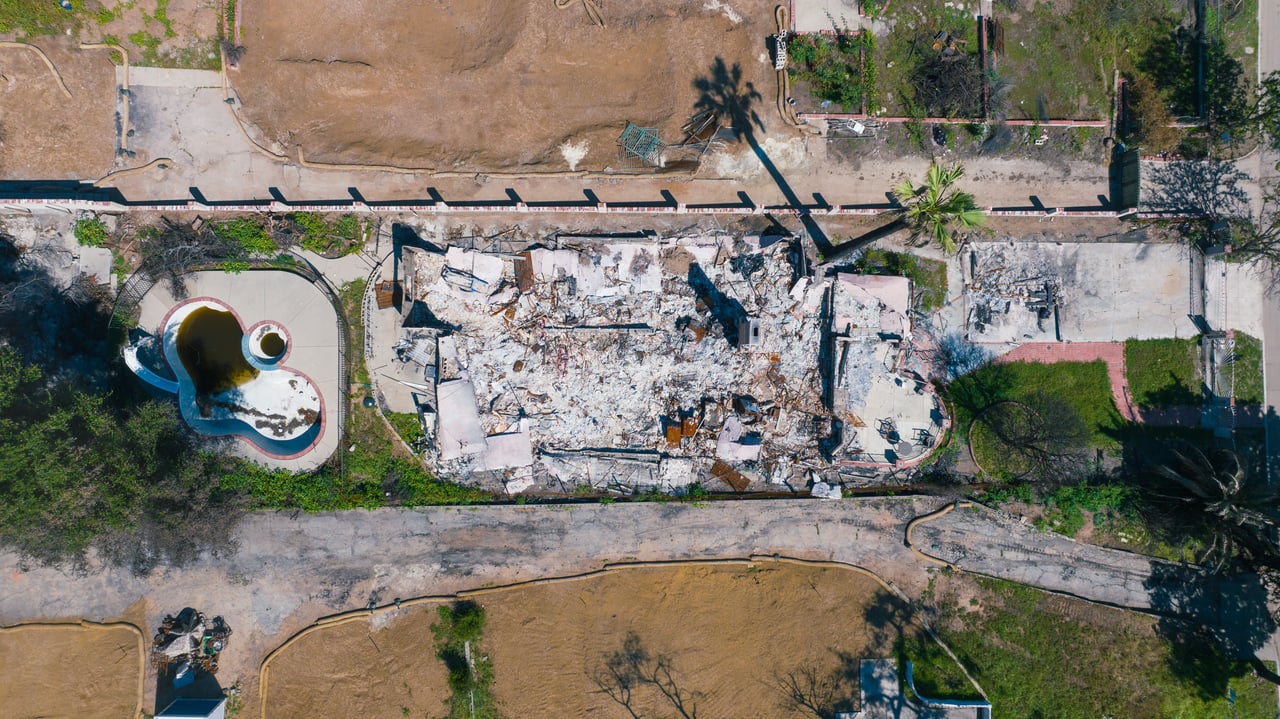
Three wildfires broke out in Spokane County on August 1, 2026: the Old Trails Fire, the Fairview Fire, and the Autumn Lane Fire, now managed collectively as the Spokane Area Fires. Together they burned thousands of acres, destroyed hundreds of structures, and forced tens of thousands of evacuations across Spokane neighborhoods including Indian Trail, Five Mile Prairie, and areas near Airway Heights and Mead.
In response, Washington's Insurance Commissioner, Patty Kuderer, issued an emergency order on August 3, 2026, that changes how home insurance providers must treat Spokane homeowners affected by the fires. Understanding this order is one of the most important things any Spokane homeowner can do this week.
What New Insurance Protections Do Spokane Homeowners Have?
The emergency order runs from August 3 through September 30, 2026, and applies automatically to property and auto insurers statewide in all zip codes touched by fire damage or evacuation orders. No application is required. Under the order, insurers must:
- Grant a 45 day grace period on premium payments and waive late or reinstatement fees
- Not cancel a home insurance policy for nonpayment unless the policyholder specifically requests it
- Extend nonrenewal notice periods for property coverage from 60 to 120 days before expiration (auto coverage moves from 20 to 60 days)
Why Does This Matter for Spokane's Real Estate and Housing Market?
Wildfire risk has already been reshaping home insurance across Spokane County in recent years, with some Spokane zip codes seeing higher rates of nonrenewal and cancellation than the state average. If you were already navigating an insurance coverage gap before this fire, these protections buy you time. They do not replace the longer term work of reviewing your policy or shopping for coverage, and they are an important factor to understand in today's Spokane real estate market.
What Should You Do If Your Home Was Damaged?
Step 1: Wait for the All Clear Before Returning Home
Only re enter your property once local fire officials confirm it's safe. In areas where natural gas service was shut off, contact your utility provider before assuming lines are safe, since gas may still be present in interior piping.
Step 2: Document the Fire Damage Thoroughly
Walk through your property room by room with photos and video. If you have a prior home inventory, insurance appraisal, or older listing photos, pull those together. Before and after documentation makes your insurance claim significantly stronger.
Step 3: Contact Your Insurer and Open a Claim
Call your home insurance company as soon as it's safe to do so. Ask for:
- A claim number
- Your assigned adjuster's name and direct contact
- A written explanation of what your policy covers, including Additional Living Expenses (ALE) if you're currently displaced
Step 4: Track Every Displacement Related Expense
Save receipts for hotels, meals, and essential clothing purchased while you're out of your home. Many home insurance policies reimburse these costs under ALE coverage, but only with documentation.
Step 5: Watch for Scams
Be cautious of unsolicited contractors or "public adjusters" who approach you offering to handle your insurance claim for a percentage of the payout. Verify any contractor's license before signing anything, and never sign over your claim rights on the spot.
Where Can Spokane Homeowners Get Free Insurance Help?
You don't have to pay for guidance or navigate this alone:
- OIC Consumer Advocacy Line: 1 800 562 6900. Free help understanding your home insurance policy, appealing a denied or delayed claim, or filing a complaint
- Spokane Town Hall, Wednesday, August 5: Commissioner Kuderer's previously scheduled event has shifted focus to wildfire recovery and insurance questions. Check insurance.wa.gov for location and time
- Disaster Assistance Centers: OIC staff plan to be on site at Spokane area centers as they open, to help homeowners work through insurance claims in person
What If You're Underinsured or Recently Lost Coverage?
Some Spokane homeowners were already facing nonrenewal or cancellation before this fire due to wildfire risk scoring. Others may find that even a fully paid claim does not cover today's cost to rebuild, since dwelling coverage limits are often set years before local construction costs rise. If either applies to you, the emergency order still protects you from cancellation for nonpayment through September 30. Keep every notice, risk score explanation, or denial letter you receive. This documentation matters if you need to appeal a decision or file a complaint with the OIC.
How Can Spokane Homeowners Protect Their Homes From Future Wildfires?
Wildfire safety is an ongoing part of owning a home in Spokane County, and taking steps now can help both your safety and your insurability. A few practical, widely recommended actions for protecting your home:
- Create defensible space by clearing dry brush, dead vegetation, and debris within several feet of your house
- Keep gutters and roofs clear of leaves and needles, which are common fire entry points
- Use fire resistant landscaping materials near your home's foundation and siding
- Ask your insurer whether specific mitigation work, like defensible space or roofing upgrades, could improve your coverage eligibility or rate
- Keep a documented, photographed home inventory updated annually, regardless of current fire activity
These steps won't eliminate wildfire risk, but they are among the most consistently recommended ways Spokane homeowners can strengthen both their home's fire safety and their standing with insurers.
What Does This Mean If You're Buying or Selling in Spokane Right Now?
For buyers in the Spokane real estate market, this is a good moment to ask specifically about a property's wildfire risk score, insurability, and any history of nonrenewal before writing an offer. Insurability has become part of due diligence in fire prone areas of Spokane County.
For sellers, especially those whose homes were damaged, understanding your insurance claim and rebuild options before listing can shape whether repairing, rebuilding, or selling the lot as is makes the most financial sense.
For current homeowners, reviewing your dwelling coverage limits against today's rebuilding costs, not your original purchase price, is one of the most useful things you can do heading into next fire season.
Frequently Asked Questions
Does homeowners insurance cover wildfire damage in Washington state? Most standard homeowners policies in Washington cover fire damage, including wildfire, as a named peril. Coverage details, limits, and exclusions vary by policy, so confirm specifics directly with your insurer.
What is Additional Living Expenses (ALE) coverage? ALE, sometimes called Loss of Use, reimburses reasonable costs like temporary housing, meals, and essentials if you're displaced from your home due to a mandatory evacuation or because your home is uninhabitable after a covered loss. Save all receipts to support reimbursement.
Can my insurer cancel my policy because of the Spokane wildfires? Under the state's emergency order in effect through September 30, 2026, insurers cannot cancel a policy for nonpayment in affected and adjacent zip codes, and must offer a 45 day grace period on premiums.
What if my insurance payout isn't enough to rebuild my home? This is one of the most common sources of financial hardship after a wildfire, and it is usually a coverage limit issue rather than a denial. Dwelling coverage limits are sometimes set when materials and labor cost less than they do today. Ask your insurer whether your limit reflects current local rebuilding costs, and consider having it reviewed annually.
Is wildfire smoke damage covered by homeowners insurance? Smoke damage can be covered under a standard policy, but typically only when it causes documented physical damage, such as soot on surfaces, HVAC contamination, or damaged belongings. A lingering smell alone, without physical evidence, is harder to get approved. Photograph affected areas and keep items like HVAC filters as evidence.
What if my insurance claim is denied or delayed? Contact the Washington Office of the Insurance Commissioner's consumer line at 1 800 562 6900. Their team can help you understand your policy, escalate concerns, and file a formal complaint if needed.
Is my home still insurable if it's in a high wildfire risk area of Spokane County? It depends on the insurer and your property's individual risk score. Some Spokane area zip codes have seen higher nonrenewal rates in recent years. Working with an insurance agent familiar with wildfire prone properties, and documenting any mitigation work you've done, can improve your options.
Should I get a home inventory done before I have a claim to file? Yes. A documented inventory with photos, receipts, or appraisals makes any future insurance claim faster and more accurate to settle. It's worth doing regardless of current fire activity.
We're Here to Help You Navigate What's Next
Whether you're weighing repair versus rebuild, wondering what your fire damaged property is worth, or thinking about buying a home in a different Spokane neighborhood altogether, insurance decisions and real estate decisions are deeply connected right now. Emiley and Zech at Rios and Co Real Estate work in the Spokane market every day and are glad to talk through your options. No pressure, just honest, local guidance.
Contact Emiley and Zech at Rios and Co Real Estate today to discuss your property, your next steps, or simply to ask questions about navigating the Spokane real estate market during recovery.
This article is for general informational purposes and does not constitute legal, financial, or insurance advice. For guidance specific to your policy or situation, contact your insurance provider, a licensed attorney, or the Washington Office of the Insurance Commissioner directly. Information is current as of August 4, 2026, and details may change as recovery efforts continue.