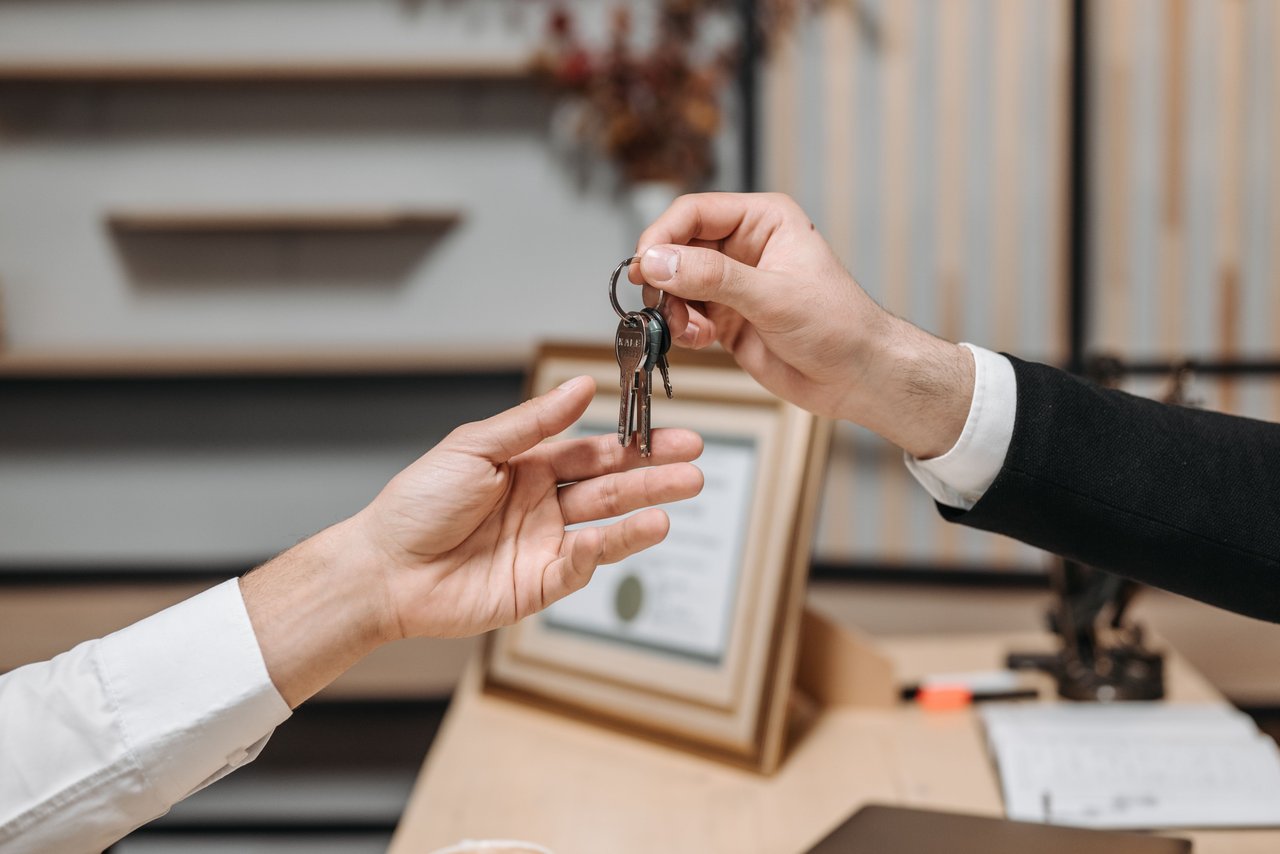
Yes, a real estate closing can be delayed, and it happens more often than most buyers and sellers expect. A closing date on a purchase agreement is a target, not a guarantee, and a range of financing, inspection, title, and paperwork issues can push it back by days or even weeks. Here's what actually causes closing delays, what happens when one occurs, and how to reduce the odds it happens to you.
What Are the Most Common Causes of Closing Delays?
Financing issues are the single most common reason closings get delayed, followed by appraisal, title, and inspection related problems. The most frequent causes include:
- Loan approval delays. Underwriting can take longer than expected, especially if a buyer's financial situation changes, documentation is incomplete, or the lender requests additional verification late in the process
- Appraisal issues. If a home appraises below the agreed purchase price, the buyer, seller, or lender may need time to renegotiate, contest the appraisal, or adjust financing
- Title problems. Liens, unresolved ownership questions, or errors in public records can require additional time to clear before title can transfer
- Home inspection findings. Significant issues discovered during inspection can lead to renegotiation, repair requests, or additional inspections
- Missing or incomplete documentation. Something as simple as a missing signature, an outdated pay stub, or an unclear paper trail on a large deposit can stall underwriting
- Insurance related delays. A buyer's lender typically requires proof of homeowners insurance before closing, and if a policy can't be bound in time, closing may need to wait
- Final walkthrough issues. If the walkthrough reveals unexpected damage or unresolved repairs, closing can be paused until the issue is resolved
- Seller readiness. If a seller isn't fully moved out or a contingency on their own purchase hasn't closed yet, that can delay the transaction on their end
What Happens If Your Closing Gets Delayed?
Most delayed closings are resolved through a short extension to the purchase agreement, though the specific terms depend on what caused the delay and what the contract allows. In many cases, buyers and sellers simply agree to a new closing date through a written addendum. Some contracts include per diem fees if one party's delay costs the other side money, such as extended temporary housing or storage costs. Earnest money is rarely at risk in a standard delay, but it's worth understanding your contract's specific contingency deadlines, since missing one without an agreed extension can occasionally put earnest money in dispute.
How Can You Help Avoid Closing Delays?
A few steps that meaningfully reduce the odds of a delayed closing:
- Get fully underwritten for your loan as early as possible, not just pre qualified
- Respond to lender document requests quickly, even if a request seems repetitive
- Avoid large, unexplained deposits or new credit accounts during the loan process
- Line up homeowners insurance early, rather than waiting until the final week before closing
- Schedule inspections and address any major findings as soon as possible
- Stay in close communication with your agent and lender throughout the process
Are Closing Delays More Common in Spokane Right Now Because of the Wildfires?
Yes, homes affected by or located near the recent Spokane wildfires may see additional closing delays related to insurance and appraisal timing. A few wildfire specific factors currently affecting the Spokane market:
- Insurance binding delays. Some insurers are being more cautious about writing new policies in or near recently burned or high risk areas, which can slow down the insurance requirement lenders need before closing
- Appraisal access and timing. Appraisers may need additional time to access properties in or near evacuation areas, or to account for nearby fire damage when assessing value
- Increased lender caution. Lenders may request additional documentation for properties in wildfire affected zip codes, particularly regarding insurability and property condition
If you're under contract on a home in or near an area affected by the wildfires, it's worth talking with your agent and lender early about insurance and appraisal timing, rather than assuming it will proceed exactly as scheduled.
We're Here to Help You Stay on Track
Closing delays are stressful, but most of them are manageable with early communication and a clear understanding of what's actually causing the holdup. Emiley and Zech at Rios and Co Real Estate work through this process with buyers and sellers regularly and are glad to help you understand your specific timeline, whether you're navigating a standard closing or one affected by current market conditions in Spokane.
About the Authors
Emiley and Zech, Rios and Co Real Estate
Emiley and Zech are Spokane based real estate agents with Rios and Co Real Estate, working with buyers and sellers throughout the Spokane region. Their day to day experience closing transactions, including navigating financing, inspections, title work, and the local factors currently affecting the Spokane market, informs the practical guidance shared in posts like this one. They're available to answer questions about your specific closing timeline or transaction.
This article is for general informational purposes and does not constitute legal or financial advice. Closing timelines and requirements vary by lender, title company, and transaction. For guidance specific to your situation, consult your real estate agent, lender, or title company directly.